
From $2M to $16M/month
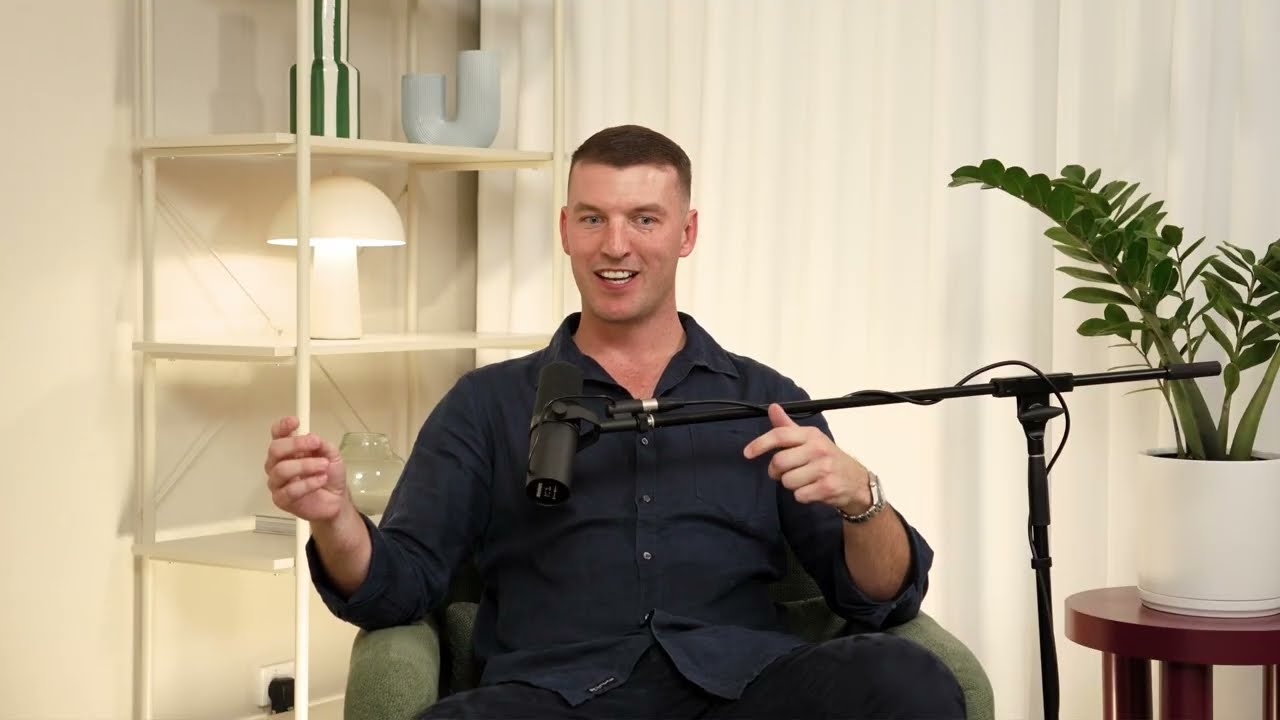
Sam Pedetta sits down with Alex G from Kingfisher to unpack what actually drove the growth: self-belief, speed, a sharper niche, and building a team that multiplies output without sacrificing service.
The headline is big — $2M/month to $16M/month — but the playbook is refreshingly practical: build confidence through reps, win on speed, narrow the niche, and hire only when you’re ready to scale.
1) The real growth trigger: self-belief (earned, not imagined)
Alex didn’t come from banking — he came from construction — and early on he carried quiet limitations about where he could get to. The shift happened when he stacked enough “runs on the board” to prove to himself he could deliver, settle deals, and lead clients with certainty.
- Confidence follows competence. Focus on reps: learn credit, settle deals, repeat.
- Think bigger only after proof. Once the foundation is real, ambition becomes practical.
2) Five-star service is mostly one thing: speed to certainty
Alex’s definition of a five-star experience is simple: move fast to a clear “yes” (or a confident “no”) so clients can act. Speed isn’t rushing — it’s removing friction, using reliable lenders, and staying consistent with what works.
- Speed to approval builds client confidence (offers, short finance clauses, less stress).
- Consistency beats variety. Fewer, more reliable lenders = smoother outcomes.
- Bad SLAs create pain twice: for the client and for your team.
3) How to stay fast at higher volume
Early on, speed is easy because you have fewer files. The challenge is keeping that edge as volume grows. Alex stayed fast by squeezing efficiency first, then building a simple handoff model once he hired.
- Dial process before hiring. Don’t onboard people into chaos.
- Multitasking is a learned advantage (construction project management translated well).
- Reduce touchpoints. Keep your role focused on high-leverage moments.
4) The biggest difference between $6M months and $16M months: hiring
The ceiling for a solo operator is real. Alex stayed solo too long, then hit a breaking point. When he hired (starting with Jess), output jumped because capacity, consistency, and quality improved.
- He waited too long because leads felt “organic” and hiring felt risky.
- The shift happened when he built pipeline 3–6 months ahead to de-risk the hire.
- Let talent lead. Jess was stronger in credit — so she owned it fully.
5) Referral partners: 30 coffees for 2 deals (and why it’s still worth it)
In the early days, nobody wants to give a new broker a shot. Alex took meetings anyway. The key move was being tactical: becoming a client first (e.g., with an accountant) to build trust over time.
- Be intentional. Pick a partner, support their business, and earn the relationship.
- Deliver outcomes repeatedly, and the referrals become natural.
6) Niche gets sharper as you grow
A surprising insight: scaling didn’t widen the niche — it narrowed it. As volume rises, you don’t have time for unfamiliar deal types that slow the machine. Specialisation makes solutions faster because the team has seen the same scenario dozens of times.
- Complexity lives outside the niche. That’s where timelines blow out.
- Refer out what you don’t want to repeat. Protect speed and client experience.
- Specialisation compounds across the whole team.
7) The “Warren Buffett calendar” and Loom strategy videos
Alex keeps his calendar light and wins on responsiveness — but the scalable unlock is how he presents strategy. He records quick Loom videos (often ~10 minutes) so clients can watch on their time, share with decision-makers, and respond faster.
- 4 proposals in ~1 hour is realistic when the format is tight.
- Asynchronous beats scheduling. It’s “Netflix over Channel 9”.
- Compress the process: video → client digests → short follow-up call (if needed).
8) Team efficiency: don’t force your process onto great people
Instead of making hires adopt “his way”, Alex asked how they ran deals in high-performing brokerages and merged the best of both. Give the framework, then let people play to strengths — that’s how performance sticks.
- Framework + autonomy beats micromanagement.
- Confidence is contagious. When you trust them, they grow faster.
9) The long game: inputs over outcomes
Settlements are a lagging indicator. The controllable is the input: proposals sent, applications submitted, follow-ups completed. Once Alex committed to tracking inputs (and trusted the time lag), results caught up.
- Measure what you can control. Proposals and apps drive future settlements.
- Trust the delay. Consistent effort shows up months later.
10) The future: build a brokerage that isn’t reliant on the founder
The vision is a high-performing team with real progression, strong culture (even remote), and enough lead flow to keep good people in their zone of genius.
- Lead flow to keep the engine fed.
- Scalable systems so training is simple.
- Human-to-human leadership that builds autonomy and accountability.
The simplest version of the playbook
Build competence until confidence is earned. Win on speed to certainty. Protect a narrow niche. Hire when the pipeline supports it. Then measure inputs, stay consistent, and let momentum compound.